



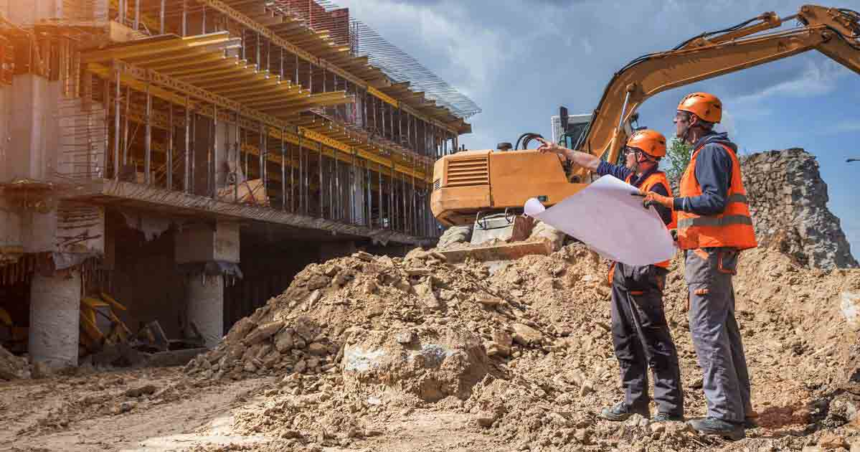
Commercial building construction is a complex process that requires careful planning and execution to ensure the safety of the people who use the building and compliance with legal standards. Modern buildings are not just about aesthetics or functionality; they must also meet strict safety codes and regulations. Builders, architects, and engineers work together to make sure that every stage of construction is carried out responsibly and safely.
Planning and Design in Commercial Building Construction
The first step in ensuring safety in commercial building construction is proper planning and design. Architects and engineers create detailed plans that consider structural integrity, fire safety, and accessibility. Modern building designs include advanced materials and technologies that improve strength and durability. Safety features like fire exits, sprinkler systems, and earthquake-resistant structures are carefully incorporated during the design phase. Planning also includes evaluating the site for any potential risks, such as soil instability or flooding, which can affect the building’s safety over time.
Compliance with Building Codes and Regulations
Commercial building construction must follow strict building codes and regulations set by local and national authorities. These codes provide guidelines for structural safety, electrical and plumbing systems, and fire protection. Compliance ensures that the building is safe for occupants and reduces the risk of accidents. Inspections are carried out at various stages of construction to verify that the work meets all required standards. Builders must keep up-to-date with changing regulations and implement them to avoid penalties and ensure public safety.
Use of Quality Materials and Advanced Technology
Using high-quality materials is essential for constructing safe commercial buildings. Builders choose materials that are strong, durable, and suitable for the building’s purpose. Modern commercial building construction also involves advanced technology like automated safety systems, energy-efficient solutions, and digital monitoring tools. These technologies not only improve safety but also make buildings more sustainable and efficient. Materials and technologies are tested to ensure they meet safety standards before being used in construction.
Skilled Workforce and Safety Training
The safety of commercial buildings is closely linked to the skills of the workforce. Construction workers, engineers, and supervisors receive specialized training to handle equipment, follow safety procedures, and manage emergencies. Proper training reduces the risk of accidents during construction. Workers are also trained to follow safety protocols for scaffolding, machinery, and hazardous materials. A skilled workforce ensures that construction processes are carried out safely and efficiently, maintaining the structural integrity of the building.
Regular Inspections and Maintenance
Even after construction, regular inspections and maintenance play a key role in ensuring safety and compliance. Buildings need to be checked for structural wear, electrical faults, and fire safety measures. Maintenance teams follow guidelines to repair any issues promptly, preventing accidents and extending the building’s lifespan. Modern commercial buildings often include monitoring systems that alert managers to potential hazards, making it easier to address problems quickly. Continuous monitoring ensures that safety standards are maintained throughout the life of the building.
Conclusion
Commercial building construction is more than just creating a functional space; it is about protecting lives and ensuring compliance with safety regulations. Through careful planning, adherence to building codes, the use of quality materials, skilled workers, and regular maintenance, modern buildings can provide a safe environment for everyone. Safety and compliance are not optional—they are integral parts of the construction process, ensuring that commercial buildings are secure, efficient, and reliable for years to come.