



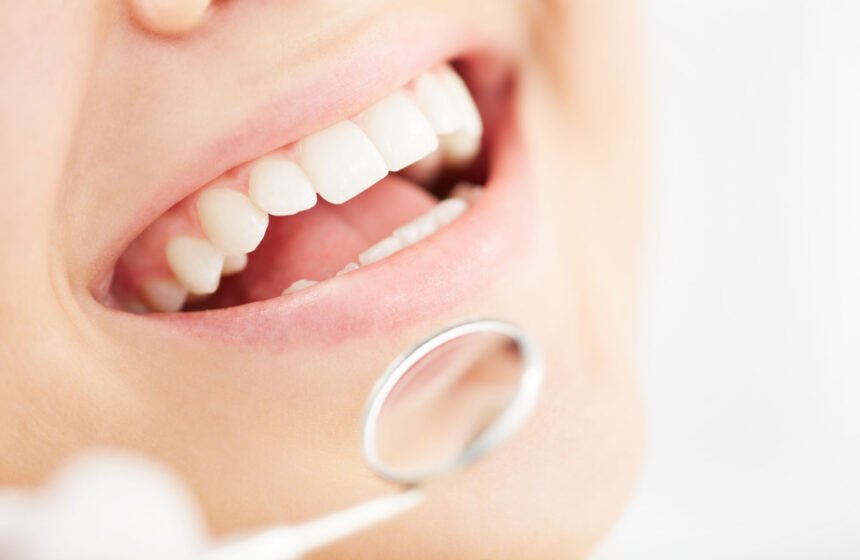
Oral health is a critical aspect of your overall well-being, and one of the most effective ways to maintain a healthy smile is through regular dental cleanings.
Known as oral prophylaxis, this professional dental cleaning procedure goes beyond the basics of at-home brushing and flossing.
It involves the removal of plaque, tartar, and stains from the teeth, helping to prevent gum disease, cavities, and other dental problems.
According to the Philippine Department of Health (DOH), tooth decay and gum disease are among the most common oral health issues affecting Filipinos.
In fact, studies show that over 90% of Filipinos suffer from some form of dental disease, making regular cleanings and preventive care more important than ever.
In this article, we’ll explore why oral prophylaxis is essential for your dental health, the benefits it offers, and tips to get the most out of your dental cleaning appointments.
What is Oral Prophylaxis?
Oral prophylaxis is a professional dental cleaning procedure performed by a dentist or dental hygienist. It is designed to remove plaque and tartar buildup from the surfaces of your teeth, as well as to smooth the surface of your teeth to prevent future plaque accumulation. While regular brushing and flossing at home are essential for maintaining oral hygiene, they cannot reach all areas of your mouth effectively, especially the spaces between your teeth and along the gumline. Oral prophylaxis is the only way to thoroughly clean areas that are hard to reach with at-home oral care.
The procedure typically involves:
- Scaling: This is the process of removing plaque and tartar from the surfaces of your teeth, particularly below the gumline.
- Polishing: After scaling, the dentist or hygienist uses a polishing tool with a gritty paste to smooth the surfaces of your teeth and remove stains.
- Fluoride Treatment (optional): Some dental offices offer fluoride treatments after cleaning to help strengthen your tooth enamel and prevent cavities.
Oral prophylaxis is generally recommended every six months, although the frequency can vary depending on your individual oral health needs.
The Importance of Oral Prophylaxis
While brushing and flossing are essential parts of oral hygiene, there are areas in the mouth that even the most diligent brushing may miss. This is where oral prophylaxis comes in. Here are several reasons why it’s an essential part of your dental care routine:
1. Prevents Gum Disease
Gum disease, or periodontal disease, is one of the leading causes of tooth loss in adults. It begins with gingivitis, which is an inflammation of the gums caused by plaque buildup along the gumline. If left untreated, gingivitis can progress into periodontitis, a more severe form of gum disease that can result in the loss of teeth.
Oral prophylaxis helps to remove plaque and tartar from both above and below the gumline, preventing the development of gum disease. Regular cleanings reduce the chances of plaque turning into hard tartar, which can lead to gum inflammation and bleeding.
2. Reduces the Risk of Cavities
Cavities are caused by the acids in plaque that erode tooth enamel over time. Plaque is a sticky film of bacteria that forms on your teeth throughout the day, and if it’s not removed regularly, it can lead to the formation of cavities. Oral prophylaxis removes plaque and tartar buildup that brushing and flossing might miss, lowering your risk of developing cavities.
When you have regular cleanings, you are less likely to experience the early signs of tooth decay, as the procedure helps to prevent bacteria from accumulating and damaging your enamel.
3. Improves Bad Breath
Bad breath, or halitosis, can be caused by a number of factors, including poor oral hygiene. Plaque and food particles that get stuck between your teeth and along the gumline can create a breeding ground for bacteria, which produce sulfur compounds that contribute to bad breath.
Oral prophylaxis effectively removes the buildup of plaque and food particles, reducing the bacteria in your mouth and improving your breath. For many patients, a dental cleaning is the first step in tackling chronic bad breath issues.
4. Helps with Stain Removal
Teeth staining is common, especially for people who regularly consume coffee, tea, red wine, or tobacco. Over time, these substances can cause discoloration on the surface of your teeth. Oral prophylaxis can help remove surface stains by polishing your teeth during the cleaning process.
Though professional cleanings cannot change the color of your teeth like teeth whitening treatments, they can significantly improve the appearance of stained teeth by removing the buildup of surface stains, making your smile look brighter and fresher.
5. Maintains Overall Health
Oral health is strongly linked to overall health. Poor dental hygiene has been associated with various systemic health issues, such as heart disease, diabetes, and respiratory conditions. In fact, gum disease has been linked to increased risks of heart disease, as the bacteria from gum infections can enter the bloodstream and affect the heart.
By maintaining regular oral prophylaxis appointments, you help protect your overall health by reducing the risk of gum disease and tooth loss, which can have long-term effects on your well-being.
Tips for Maintaining Your Oral Health Between Cleanings
While oral prophylaxis is an essential step in maintaining good dental health, it’s just one part of the equation. To get the most out of your cleanings and ensure your teeth remain healthy, here are some tips for maintaining your oral hygiene between visits:
1. Brush Twice a Day
Make sure to brush your teeth at least twice a day using fluoride toothpaste. Brush for at least two minutes each time, ensuring that you clean all surfaces of your teeth, including the back molars and the gumline.
2. Floss Daily
Flossing is just as important as brushing, as it helps remove food particles and plaque from between your teeth that your toothbrush can’t reach. Make it a habit to floss daily to prevent cavities and gum disease.
3. Use Mouthwash
An antibacterial mouthwash can help kill bacteria in your mouth and reduce the risk of plaque buildup. It also freshens your breath, giving you an extra layer of protection against oral issues.
4. Limit Sugary and Acidic Foods
Foods and drinks high in sugar and acid can increase your risk of cavities and gum disease. Try to limit your consumption of sugary snacks, soft drinks, and acidic beverages, such as citrus fruits and coffee.
5. Stay Hydrated
Drinking plenty of water throughout the day helps wash away food particles and bacteria, reducing plaque buildup. Staying hydrated also helps maintain saliva production, which is important for neutralizing acids in the mouth and promoting oral health.
How Often Should You Get Oral Prophylaxis?
Most dental professionals recommend that adults get an oral prophylaxis every six months, although individuals with certain conditions like gum disease, diabetes, or a history of cavities may need to visit more frequently. Children, on the other hand, should start regular dental cleanings once they have their first tooth, with follow-up visits as recommended by their pediatric dentist.
Oral prophylaxis is an essential component of maintaining good dental health. Regular professional cleanings help prevent gum disease, cavities, bad breath, and tooth stains, while also contributing to your overall well-being.
By scheduling regular dental cleanings and following a diligent oral hygiene routine at home, you can keep your teeth and gums healthy for years to come.